

Kiehl’s Expands Permanent Smart Mirror Rollout Across Five Markets
Kiehl’s is expanding its use of interactive smart mirrors with permanent installations in stores across the UK, UAE, Singapore, Malaysia and China. The move extends a retail technology programme that began with an augmented reality storefront in New York.
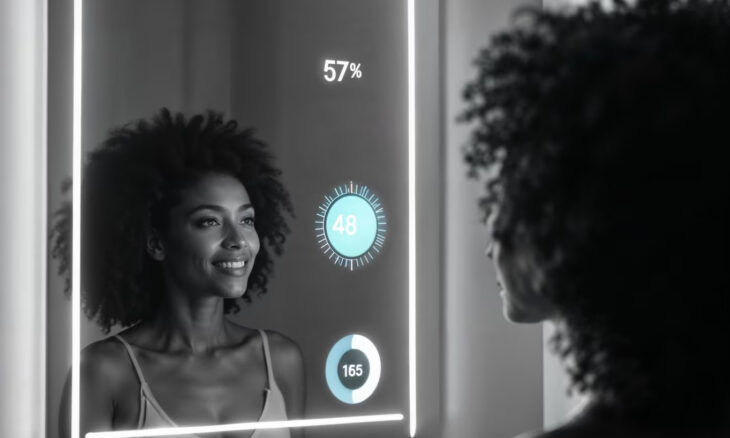
The mirrors were developed with a spatial technology company called Loook.AI. They use motion sensing and augmented reality to draw shoppers in as they approach. The displays activate automatically, bringing a digital layer into the store without requiring a separate step from the customer.
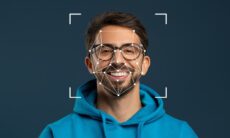
The installations also include facial recognition-style scanning to personalise the on-screen experience. That gives each display a responsive function that changes the presentation for shoppers as they move in front of it. The technology is intended to sit within the retail environment as part of the store itself rather than as a temporary promotional feature.
The rollout denotes a wider international expansion of the concept. According to the companies, the New York installation increased store footfall by 20%. That reported result prompted Kiehl’s to extend the format into additional markets.
The new installations are being introduced as permanent retail fixtures. Unlike many interactive retail displays that appear for short-term campaigns, these digital mirrors will remain in stores. The companies said further markets are expected to follow over time.
The approach demonstrates a broader shift in retail towards interactive digital experiences inside physical shops. Retailers are using these formats to keep customers engaged while they are in store. Smart mirrors have become one of the tools used for that purpose because they can combine visual display, motion response and personalisation in a single in-store system.
In this case, the technology is being used across several markets rather than in a single trial location. The UK, UAE, Singapore, Malaysia and China are all part of the permanent rollout. The expansion builds on the earlier New York installation and carries the same format into different retail settings.
The reported testing data also points to the appeal of interactive displays over standard video content. Recent A/B testing found that shoppers typically watched standard video content for about two seconds. Interactive mirror experiences averaged between seven and 10 seconds. The companies used the figures to compare conventional digital signage with the smart mirror format.
The same comparison sits behind the increased adoption of interactive retail technology. Smart mirrors have been used for virtual product demonstrations, personalised recommendations and other in-store experiences. They allow retailers to blend digital tools with brick-and-mortar shopping while keeping the customer within the physical shop environment.
Kiehl’s decision to install the mirrors permanently across five markets places the technology at the centre of its retail approach. The rollout retains the focus on in-store engagement and extends a format that first appeared in New York before moving into new regions. The company is now taking the concept beyond a single market and embedding it into stores across multiple countries.